MAP · Client project
The other side of the marketplace: a dashboard for the suppliers.
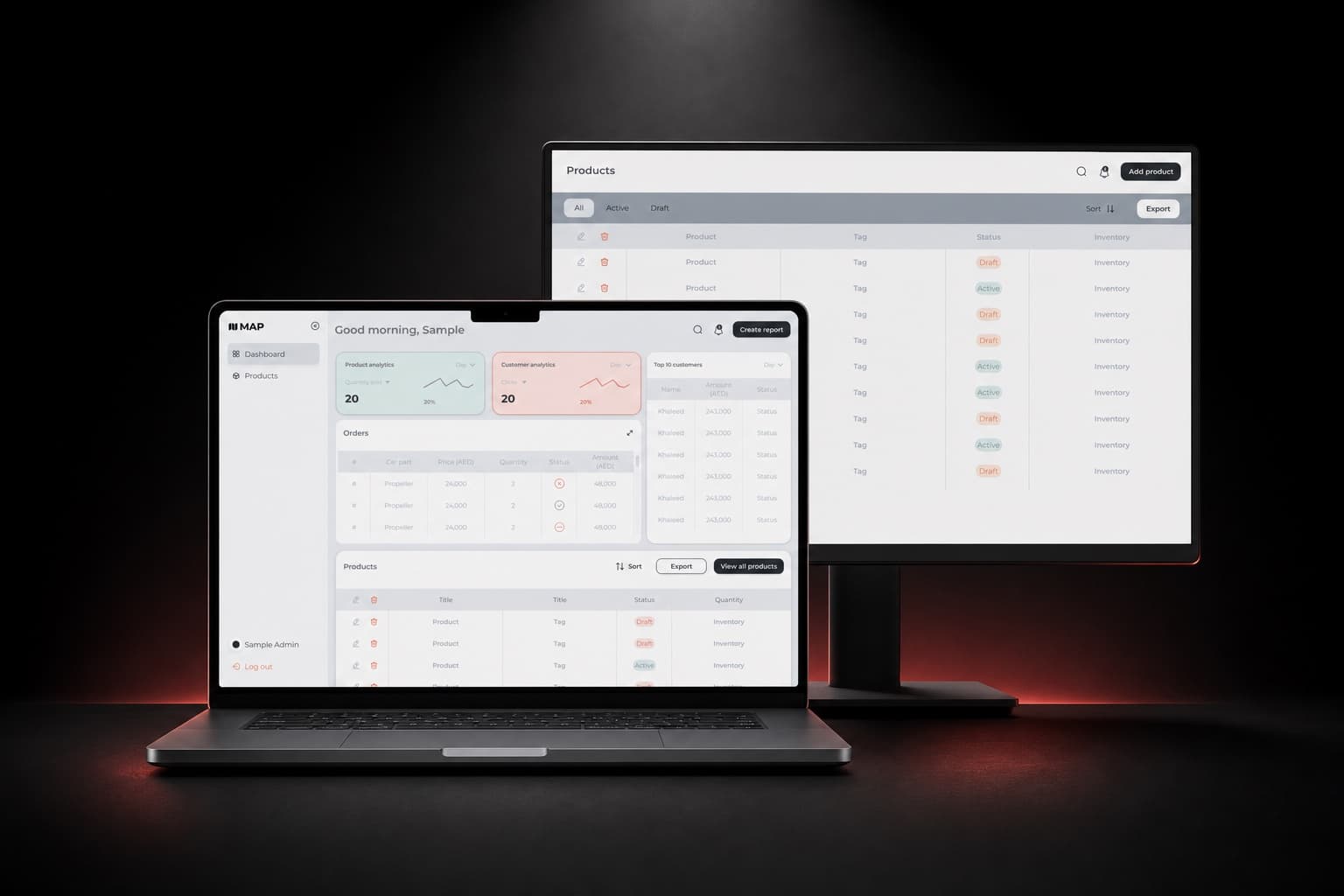
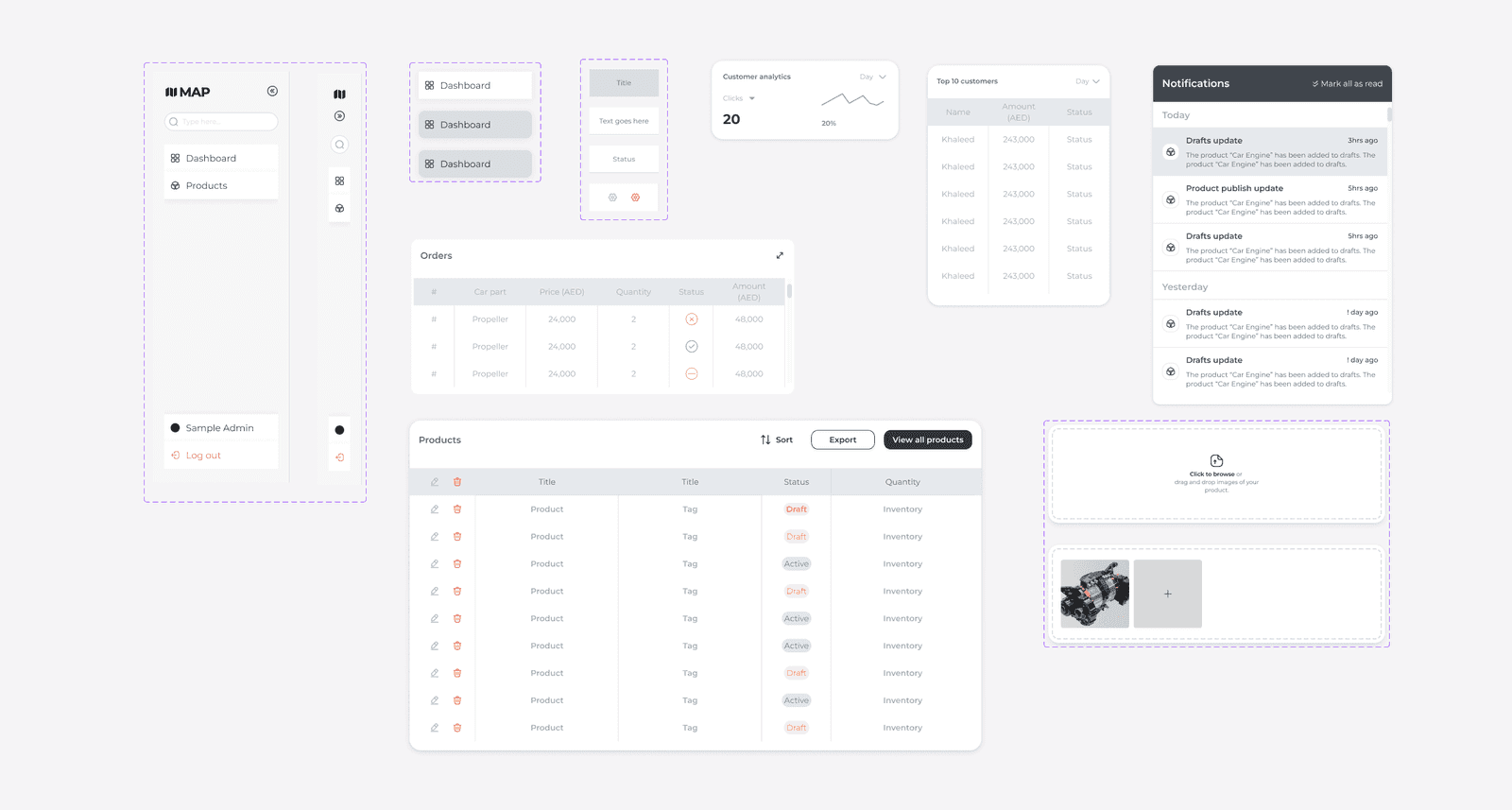
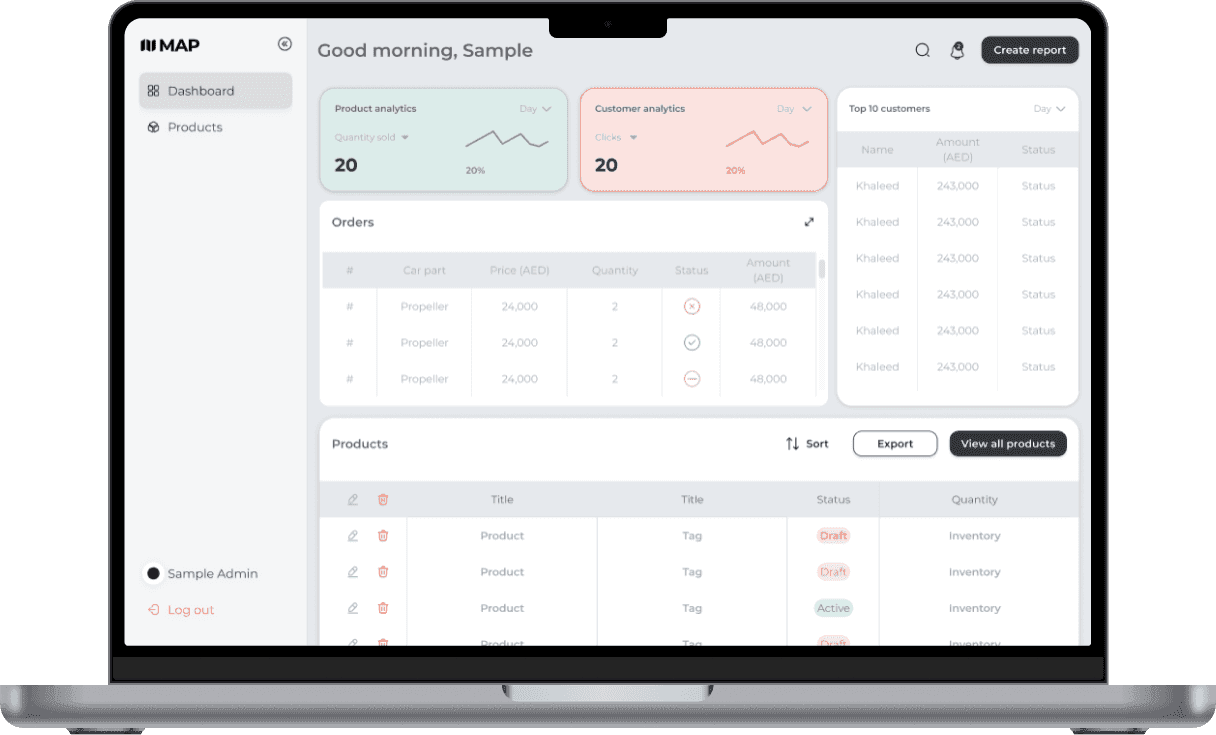
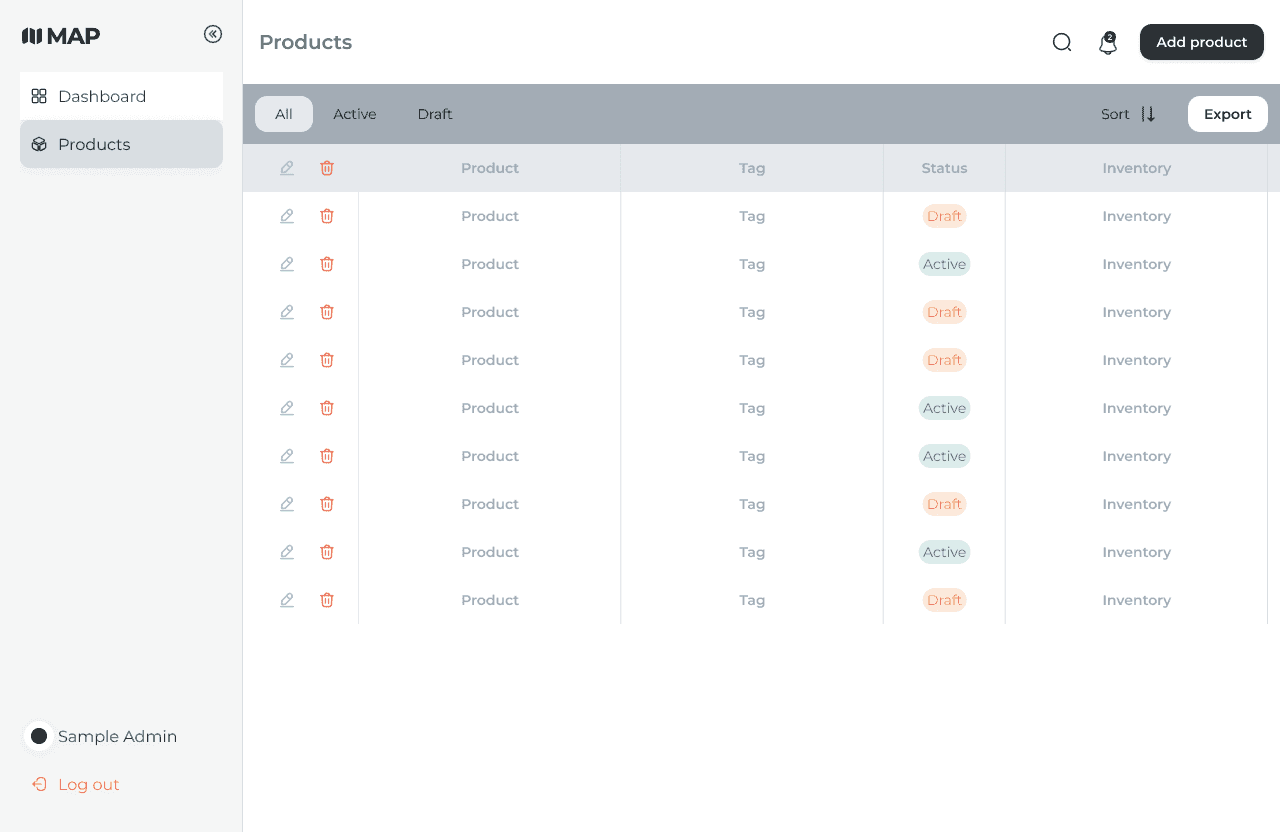
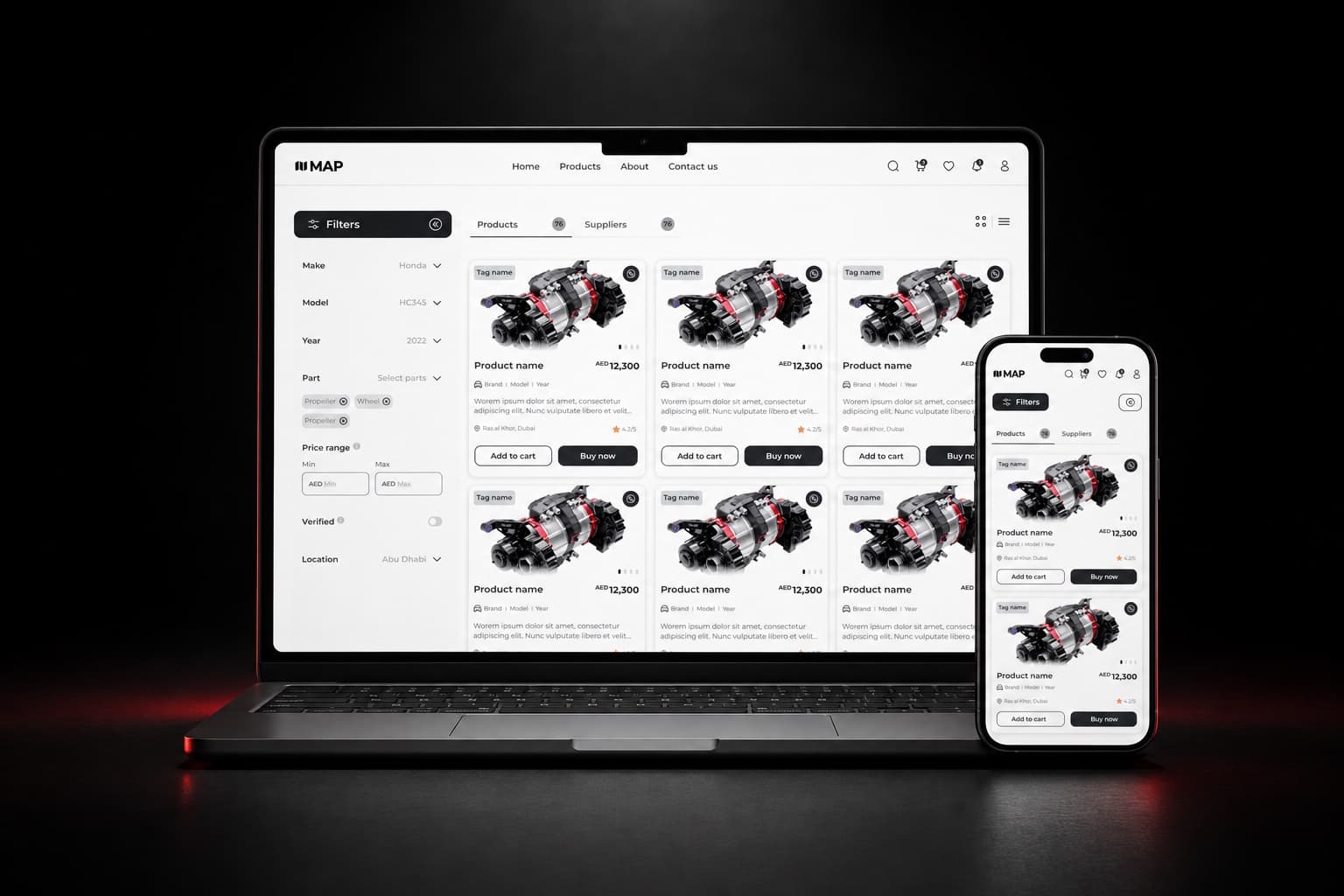
Supplier dashboard for the MAP marketplace. Inventory, sales trends, stock levels and buyer enquiries in one place, on the same design system as the storefront.
- Product
- SaaS and dashboard · Automotive
- Role
- Product design
- Scope
- UX research, product strategy, UI design, design system, interaction design
- Platform
- Web application
- Year
- 2024 · Shipped
- Timeline
- Eight weeks, marketplace and dashboard together
The situation
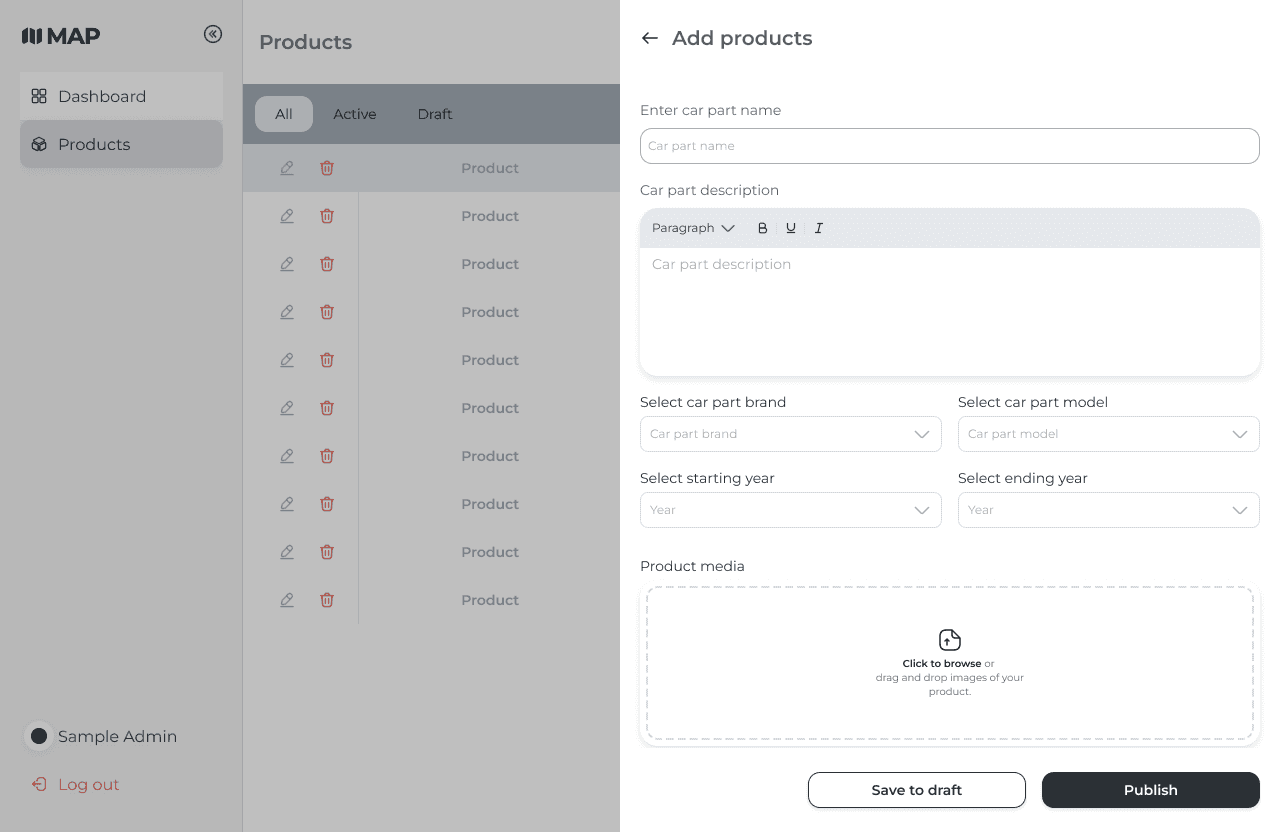
After the marketplace, MAP wanted a dedicated dashboard for its suppliers: a place to manage inventory, follow performance and handle buyers. Built on the same brand and design system, so both ends of the platform feel like one product.
The problem
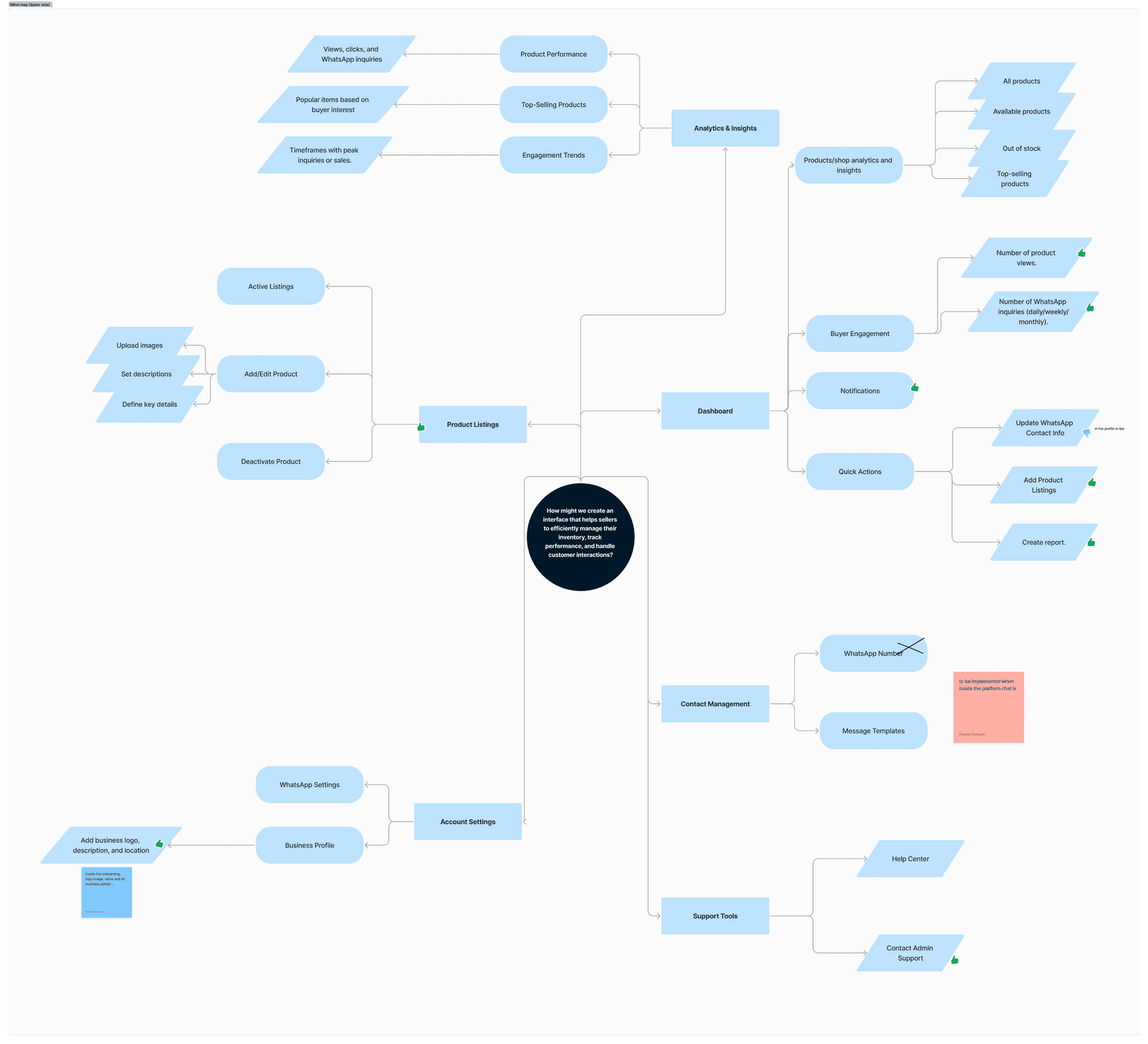
Suppliers on existing car-parts marketplaces struggled with disorganised tools and little insight into how their products performed. Without live updates or analytics they overstocked, missed sales, and had no straightforward way to talk to buyers. The guiding question: how might we help sellers manage inventory, track performance and handle buyer conversations from one screen?
Research
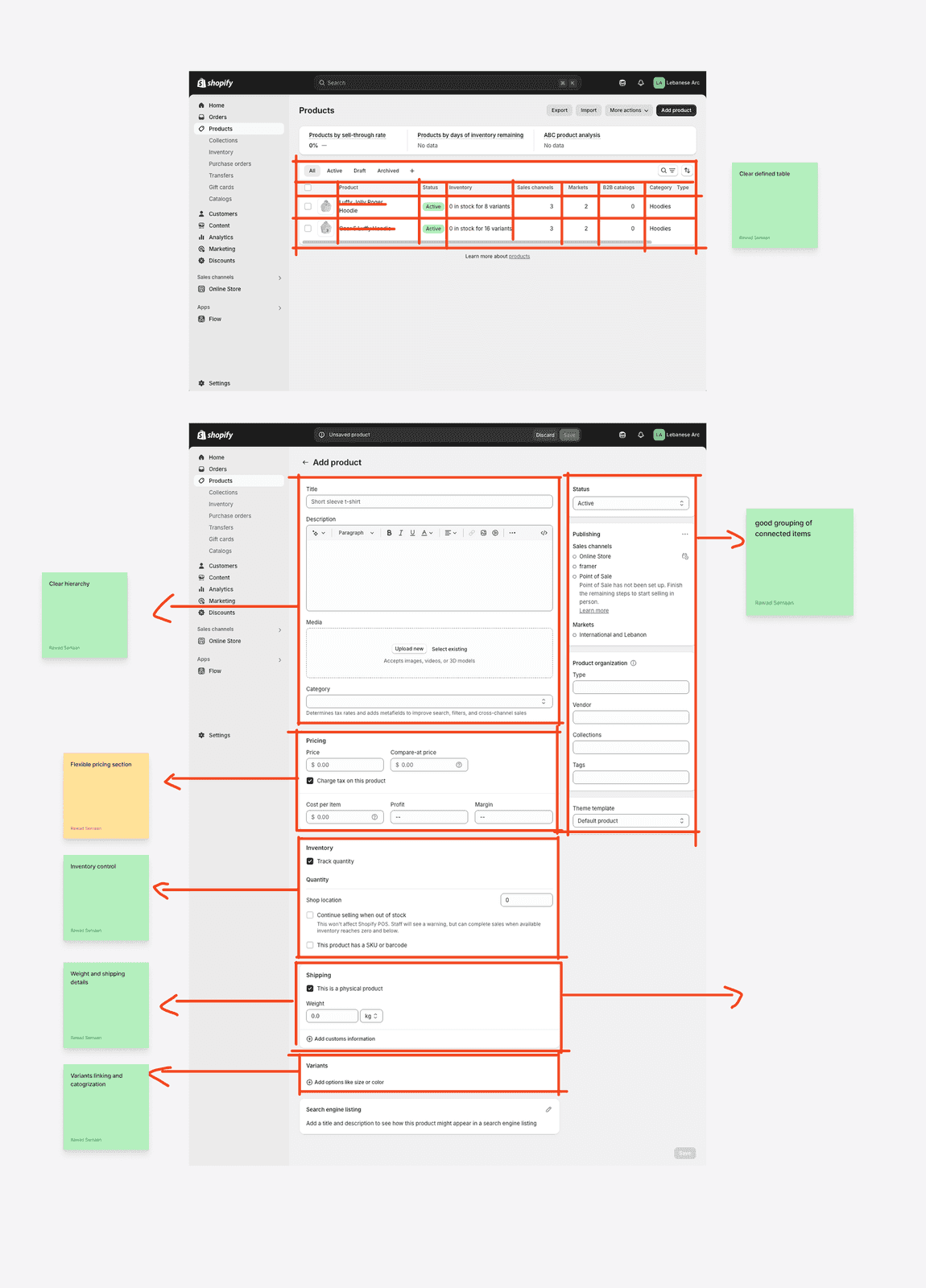
The same competitors as the marketplace, plus Shopify, which stood out for how simply it adds products, sets prices and organises inventory. Two findings shaped the onboarding: the local competitors require a long list of legal documents before a supplier can sign up, which keeps the marketplace trustworthy, while Amazon puts a paid plan in front of sellers, a revenue path for later.
Key decisions
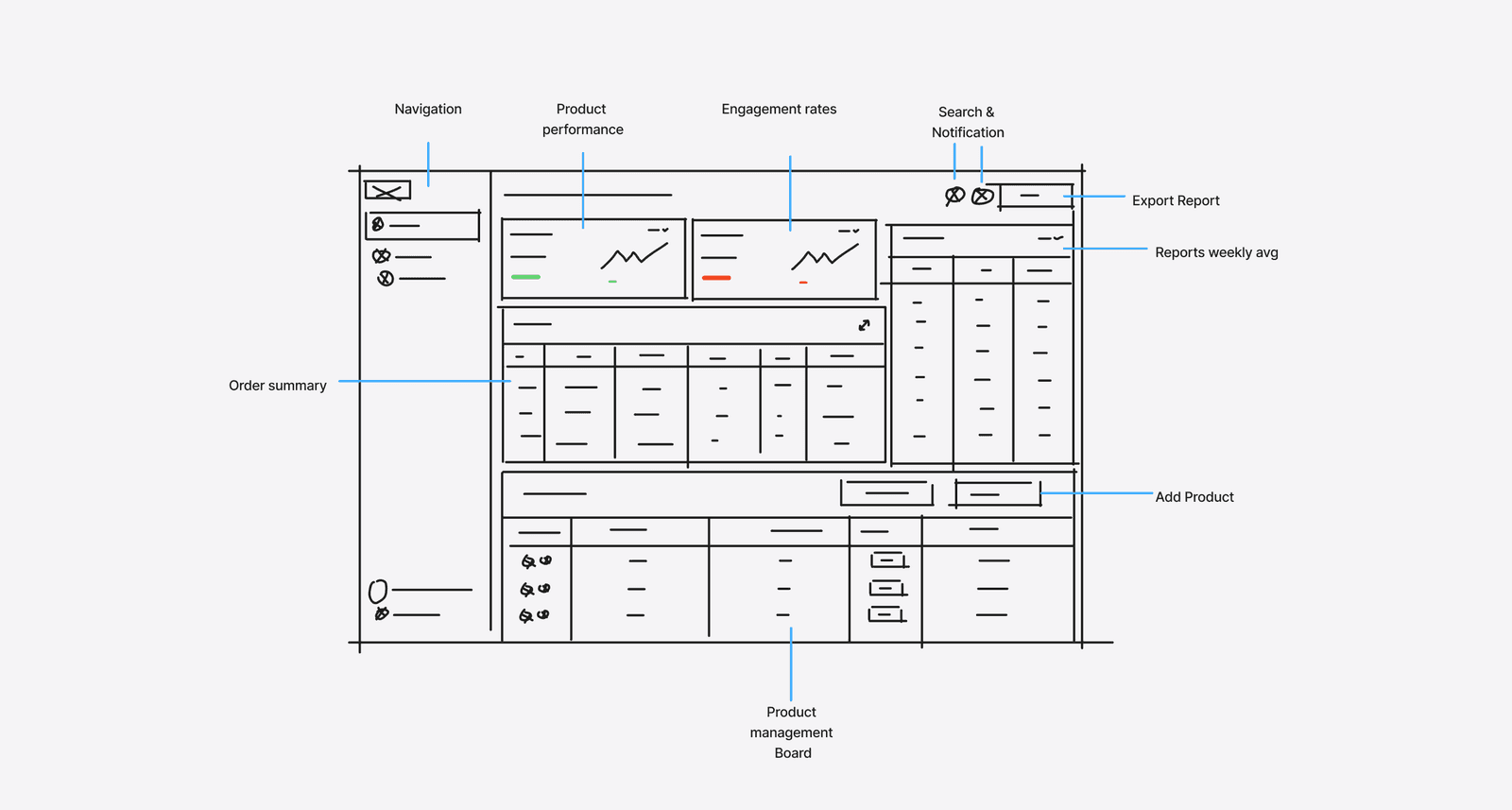
One place for everything.
Sales trends, stock levels and buyer enquiries on one dashboard, so a supplier does not switch between tools.
Live numbers.
Stock and sales update in real time, which is what prevents overstocking and missed orders.
Verified suppliers.
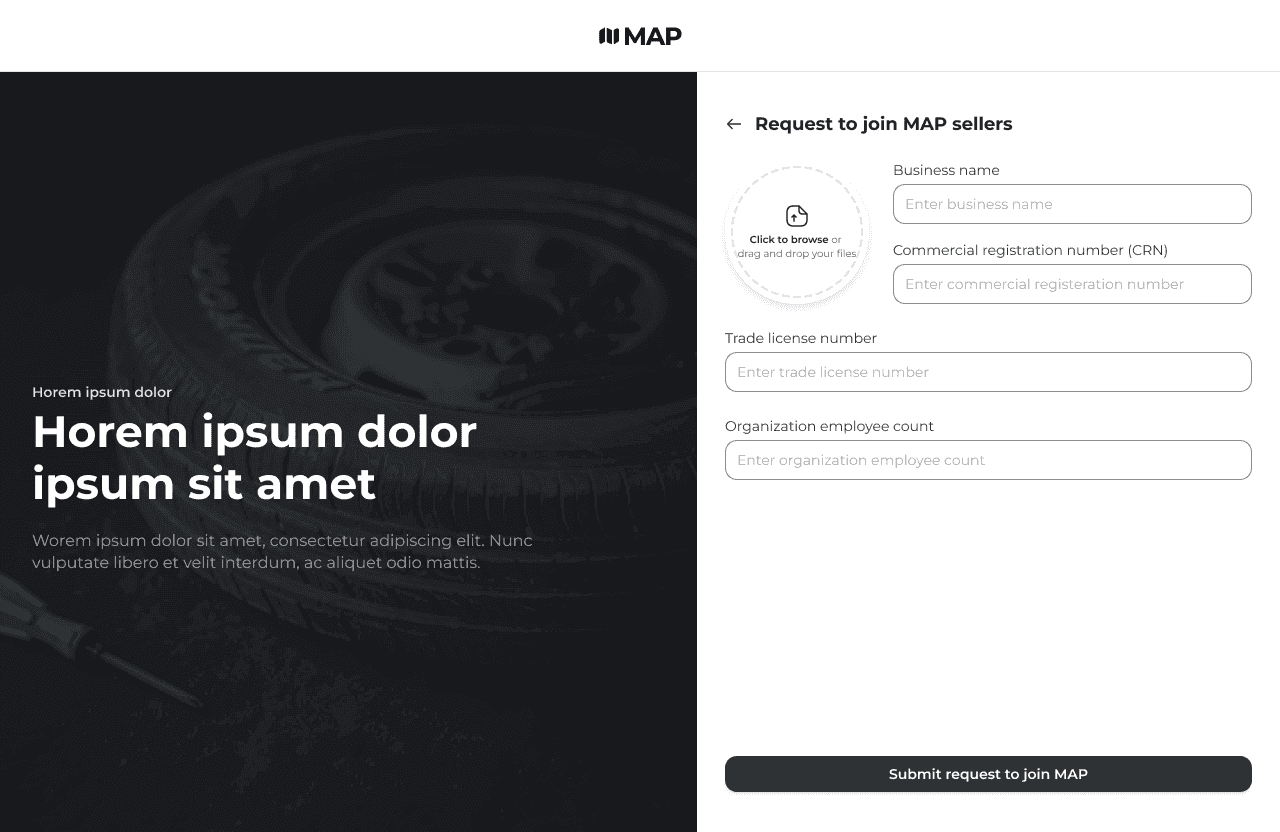
A request-to-join flow with business registration, so buyers can trust who they buy from.
Dark, on brand.
MAP's identity is monochrome black. Calls to action were designed to stand out inside that palette rather than break it.
Services in this project
What we did
More work
Related case studies
Have a product like this?
We reply by email to set up a call. Most projects start with a short conversation and a scoped proposal.